Put a Little “Lime” in Your Garden This Fall
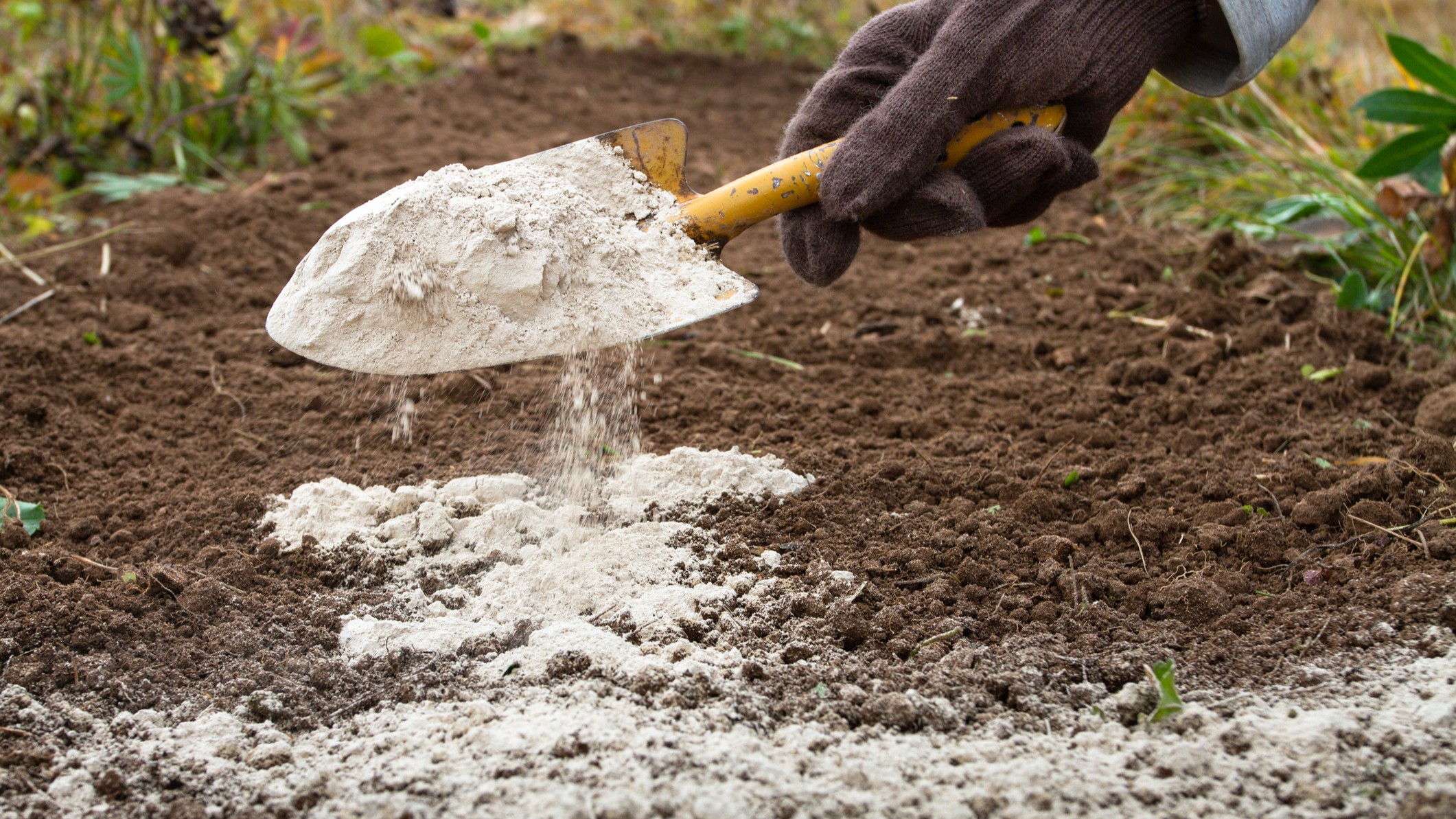
POMONA, NY, September 30, 2026 — While “adding some lime” might make you think about mixing up a batch of margaritas, there’s another kind of lime that's good for your garden. Lime is made from ground limestone rock and plays a significant role in enriching soil quality and promoting vibrant plant growth.
In the Northeast, particularly in Rockland, Bergen, and Orange Counties, the soil tends to be naturally acidic due to consistent rainfall and unique geological features. Applying lime helps balance soil acidity, fostering an ideal environment for plants to thrive.
Key Facts About Lime:
Lime is used to raise the soil’s pH level, making acidic soils more neutral.
Correcting soil acidity increases the availability of essential nutrients, including nitrogen, phosphorus, potassium, calcium and magnesium, all crucial for plant growth.
A balanced pH fosters beneficial soil microorganisms that help break down organic matter and release nutrients for plants.
Testing the soil before applying lime is important to determine whether it is necessary and the appropriate amount to use.
If the soil’s pH is below 6.5, it needs lime.
Simple soil test kits can be obtained at a garden center.
In the Northeast, fall is considered one of the best times to apply lime, as it allows the soil several months to react with water and improve nutrient availability before spring planting.
Two Forms of Lime:
Granular Lime
Slow acting.
Best used on lawns.
Recommended for winterizing vegetable beds.
When integrated into the soil in the fall, granular lime can help gardens grow more rapidly in the spring.
Hydrated Lime
Rapid acting.
The product of choice for spring liming.
Particularly useful for new vegetable gardens.
Also recommended for gardens that were not limed in the winter.
“Lime acts to neutralize soil by reducing the acidity of the soil. High acidity prevents plants from fully absorbing fertilizer. It is essential for the growth of plants to absorb nutrients from the soil. This can only happen if the acidity level (pH) is appropriate. Lime is also one of the simplest and most effective tools for improving soil health and achieving a beautiful and robust garden.
By correcting soil acidity, gardeners and farmers can create the right conditions for plants to thrive,” said Stuart Leventhal, owner of Down to Earth Garden Center.
Limestone generally comes in a bag and can be applied using a spreader for lawns or hands for beds. After applying it should be worked into the top 4-6 inches of soil with a rake. Do not apply lime at the same time as fertilizer, as the two can react negatively. After working it into the soil be sure to water and then let it sink in. Gardeners can recheck the pH level again in the spring to ensure the lime is still at the proper level.
Gardeners in Rockland, Bergen and Orange Counties can take advantage of the fall season to prepare their soil now for healthier and more resilient landscapes in the spring.
Down to Earth Living Garden Center encourages customers to bring in photos of their garden or backyard, as well as images that inspire them, and speak with Down to Earth experts for personalized guidance on how to bring their visions to life. The team assists with selecting plants, shrubs, containers, and statuary to achieve the desired look. The expanded indoor plant showroom is open all year, and free repotting is available with any plant or pot purchase.
Down to Earth Living, now in its 56th year, is a Garden Center serving Rockland, Bergen, and Orange counties and the Hudson Valley, offering 12.5 acres filled with perennials, flowers, shrubs, and trees, with new plants arriving weekly. The 10,000-square-foot showroom features a selection of contemporary, classic, traditional, and transitional teak, aluminum, and all-weather dining and deep-seated furniture. Located at 1040 Route 45 in Pomona, N.Y. For more information, call 845-354-8500 or visit www.dteliving.com.