

Native Plants Help Gardens Thrive Naturally and Sustainably
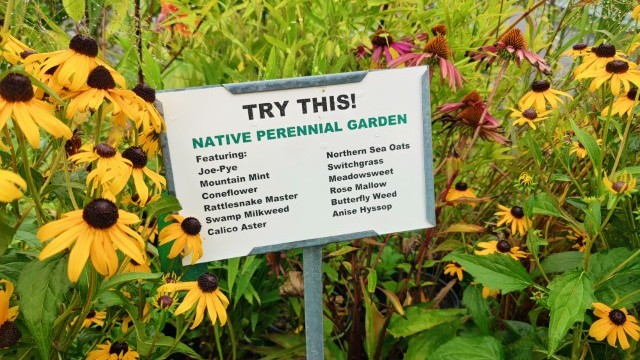

(POMONA, New York) April 28, 2026 — Gardeners across the Hudson Valley, including Rockland and Bergen counties, are increasingly choosing native plants as a sustainable, low-maintenance alternative to traditional landscaping. These plants, well-suited to local growing conditions, typically need less water, fertilizer, and upkeep once established. They also directly support pollinators and help create a healthier environment.
At Down to Earth Living in Pomona, interest in native perennials continues to grow as homeowners look beyond appearance and focus on creating landscapes with purpose. Rather than relying on plants that need intensive care, native plants are designed to thrive with the surrounding environment, supporting biodiversity, improving soil health, and contributing to long-term garden stability.
The relationship between native plants and pollinators plays an important role in the success of both. Over time, these species have evolved together, allowing native flowers to reliably provide nectar, pollen, and habitat for bees, butterflies, hummingbirds, and other beneficial insects. By aligning with local seasonal patterns, they provide a consistent food source throughout the growing season.
Popular native plants well-suited to the Northeast, including the Hudson Valley, Rockland, and Bergen counties, include:
Purple Coneflower (Echinacea purpurea) – Tough summer bloomer; attracts bees, butterflies, and birds.
Bee Balm (Monarda didyma) – Tubular flowers favored by hummingbirds and native bees.
Blazing Star (Liatris spicata) – Late-season blooms for butterflies and pollinators.
Goldenrod (Solidago spp.) – Key late nectar source for butterflies, native bees.
Wild Bergamot (Monarda fistulosa) – Fragrant blooms support diverse pollinators.
Joe-Pye Weed (Eutrochium purpureum) – Tall, moisture-loving; attracts butterflies.
New England Aster (Symphyotrichum novae-angliae) – Late color, nectar when others fade.
Milkweed (Asclepias spp.) – Serves as a host plant for monarch butterflies while also providing nectar for other pollinators.
Switchgrass (Panicum Virgatum) – Tall, narrow bunching grass with great texture and movement. An important component of tallgrass prairie. Topped by cloud-like pink seed clusters that serve as a winter food source for birds. Grows easily.
Northern Sea Oats (Chasmanthium latifolium) – Elegant, lush grass with graceful, flat flowers that turn copper in fall. Provides a winter food source for birds. Tolerates average to dry soil conditions and is great for erosion control.
Planting a variety of native species encourages blooms from early spring through fall, helping sustain pollinators throughout the seasons. Grouping plants can also improve foraging efficiency while creating a more cohesive landscape design.
Benefits of Native Plants Include:
Reduced need for watering, fertilizers, and ongoing maintenance once established
Natural attraction of pollinators such as hummingbirds, butterflies, and bees
Options that can be selected for deer resistance
Improved soil structure and erosion control
Better stormwater absorption and water quality
Greater resilience to local climate conditions
Reduced reliance on chemical inputs
Native plantings create layered, multi-functional landscapes
Varied bloom times support wildlife throughout the season
Diverse growth habits add structure and interest
Landscapes evolve naturally over time
Native plants offer long-term ecological advantages but selecting the right plants for specific site conditions and planning for a range of bloom times are key to long term success.
Down to Earth Living has expanded its native plant offerings, making it easier for customers to incorporate them into their landscapes. The team will work with customers to evaluate their space and recommend plants suited to specific light, soil, and moisture conditions, whether customers want to improve drainage, stabilize soil, attract pollinators, or build a more resilient garden.
“We love seeing what inspires you! Bring examples of what you want to do (online screenshots or magazine clippings for example), along with photos of the area you would like to enhance, and we will guide you as to how best to accomplish the look you want. We’ll help you select the right plants, bushes, pots, statuary and more. Our expanded indoor plant showroom is now open for the spring season, and we’re excited to offer free repotting when you purchase a plant or pot. Our goal is to make your shopping experience personal and enjoyable,” said Stuart Leventhal, owner of Down to Earth Living.
Down to Earth Living, now in its 56th year, is a Garden Center serving Rockland, Bergen and Orange counties and the Hudson Valley, offering 12.5 acres filled with perennials, flowers, shrubs, and trees, with new plants arriving weekly. The 10,000-square-foot showroom features a selection of contemporary, classic, traditional, and transitional teak, aluminum, and all-weather dining and deep-seated furniture. Located at 1040 Route 45 in Pomona, N.Y., For more information, call 845-354-8500 or visit www.dteliving.com.

What's Related